Start with what’s there.
Document the equipment, understand what depends on it, and work out what is worth keeping.
 HEADLANDSYSTEMS
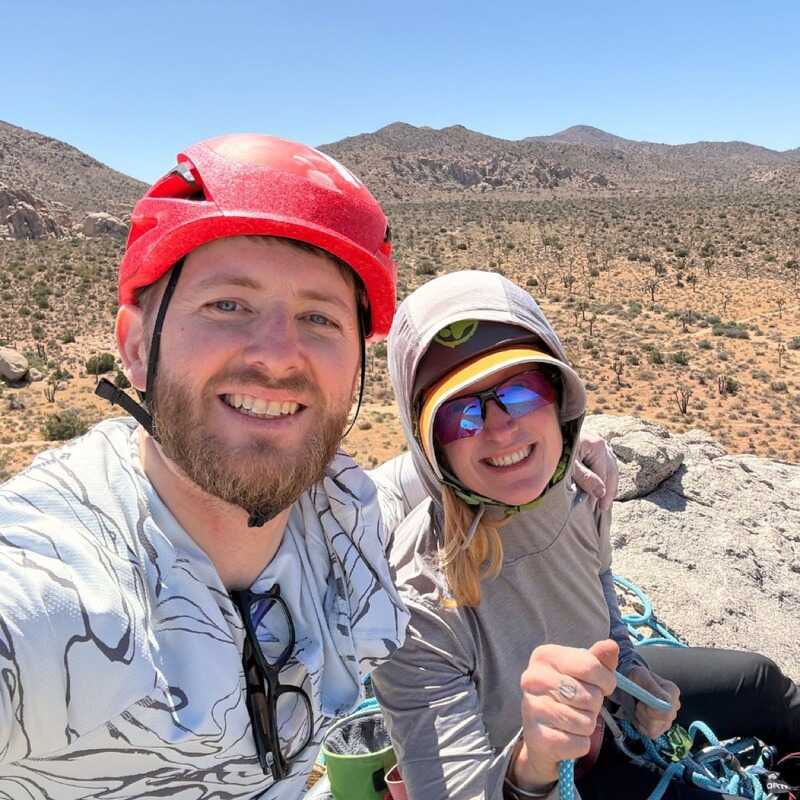
The person behind Headland
I’m a systems engineer based in Kent Woodlands, Marin. I build custom software that helps people control and monitor their homes from anywhere.
Headland started with my own house. It has grown through hands-on work with clients: recovering older systems, catching wasted water, and making everyday controls easier to use.
My house had a 1990s Lutron system. The dealer and programming tools were long gone, and for about fifteen years nobody could meaningfully change it.
I recovered the system through its documented serial protocol and brought it onto a modern console without replacing the equipment in the walls. Solar and battery, water monitoring, cameras, climate, and vehicles followed.
That console became Headland. The public demo uses sample data, but it comes from the real system running at my home.
Explore the console ↗The work behind the work
I trained in sound engineering, worked with controlled-environment systems at Plenty, and have managed complex properties and their digital systems since 2018.
Document the equipment, understand what depends on it, and work out what is worth keeping.
Bring the important readings and controls into a place you can actually use, with routines built around your home.
Your hardware, your accounts, and your documentation. We explain any internet connection or third-party service requirements before work begins.
One accountable builder
When a project needs engineering, I do it. If the right next step is an electrician, plumber, alarm contractor, or manufacturer’s dealer, I’ll tell you before you spend money in the wrong direction.
A free walkthrough. A useful next step. A written scope before any work.